Khelowin Poker: Rules, Strategies, And Tips
Comprendere il Gioco del Khelowin Poker
Il khelowin poker è un gioco di abilità e strategia che combina elementi di poker tradizionale con regole specifiche. I giocatori devono comprendere le gerarchie delle mani, i sistemi di scommessa e il comportamento al tavolo per ottenere successo. Questo gioco si svolge in round di scommessa con decisioni rapide e precise.

Le gerarchie delle mani nel khelowin poker seguono un ordine simile a quello del poker tradizionale, ma con alcune differenze chiave. Le mani più forti, come il colore o il full house, hanno un valore maggiore. I giocatori devono imparare a valutare le proprie carte in base a queste regole per prendere decisioni informate.
I sistemi di scommessa nel khelowin poker possono variare, ma spesso includono limiti fissi o strutturati. Questi sistemi influenzano il modo in cui i giocatori gestiscono le loro risorse e le loro strategie. La comprensione di questi meccanismi è essenziale per giocare con successo.

Il dinamismo del tavolo nel khelowin poker richiede attenzione costante. I giocatori devono osservare il comportamento degli avversari e adattare le proprie tattiche in base alle situazioni. Questa capacità di reazione è fondamentale per ottenere vantaggi durante le partite.
Per migliorare le proprie capacità nel khelowin poker, i giocatori devono praticare regolarmente e analizzare le proprie partite. L'esperienza accumulata attraverso il gioco aiuta a sviluppare una maggiore sensibilità alle strategie avversarie e alle dinamiche del tavolo.
Effective Bluffing Techniques in Khelowin Poker
Bluffing in khelowin poker requires a deep understanding of the game's unique structure. Unlike traditional poker, khelowin involves specific betting patterns that demand precise timing. Players must recognize when to apply pressure and when to fold, based on the flow of the game.
One key strategy is to observe how opponents react to different bet sizes. A sudden increase in bet amount can signal strength or a well-timed bluff. Analyzing these cues helps identify weaknesses in an opponent's play. Consistency in betting behavior is crucial to maintaining a credible image.

Psychological tactics play a major role in successful bluffing. Maintaining a calm and controlled demeanor prevents opponents from detecting hesitation. Players should avoid showing frustration or excitement, as these emotions can reveal intentions. A steady face makes it harder for others to read your hand.
Reading the table is another essential skill. Pay attention to how players adjust their strategies after certain hands. A player who suddenly becomes more aggressive may be bluffing. Conversely, a player who folds frequently might be holding a strong hand. These observations help shape your own bluffing approach.
Timing is critical when executing a bluff. Bluffing too often reduces its effectiveness, while waiting for the right moment increases the chances of success. Look for opportunities when the board texture favors your hand or when opponents show signs of uncertainty. A well-timed bluff can force even the strongest hands to fold.
Combining these techniques creates a powerful bluffing strategy. Practice identifying patterns and adjusting your approach based on the table dynamics. The more you refine your ability to read and manipulate opponents, the more effective your bluffs become.
Bluffing in khelowin poker is not just about deception—it's about control. By mastering the art of timing, psychological influence, and table reading, players can elevate their game and gain a significant advantage over opponents.
Bankroll Management for Khelowin Poker Players
Effective bankroll management is crucial for long-term success in khelowin poker. Players must understand how to allocate funds across different sessions and games. This approach prevents unnecessary losses and ensures consistent play.

Start by setting a clear budget for each session. This limit should reflect your overall financial capacity. Avoid the temptation to play beyond this boundary, as it can lead to significant setbacks.
Another key factor is bet sizing. Adjust your bets based on your bankroll and the stakes of the game. Consistently betting too high can drain your funds quickly, while betting too low may not maximize potential gains.
Monitoring your performance is essential. Track wins and losses to identify patterns and adjust strategies accordingly. This data-driven approach helps in making informed decisions.
Session limits also play a vital role. Set a time frame for each session and stick to it. This prevents fatigue and emotional decision-making, which often lead to poor outcomes.
Finally, assess risks before each game. Understand the potential losses and ensure they align with your financial goals. This mindset fosters discipline and reduces impulsive actions.
By implementing these strategies, khelowin poker players can maintain control over their finances. This stability allows for better focus and improved performance over time.
Common Mistakes to Avoid in Khelowin Poker
Khelowin poker demands precision and discipline. New players often fall into traps that cost them valuable chips. Recognizing these errors helps improve decision-making and long-term success.
One frequent error is overbetting. Players may push too much when they have a strong hand, hoping to scare opponents. This strategy backfires when others call, leading to unnecessary losses. A better approach is to size bets according to the situation and opponent tendencies.

Poor position play is another major issue. Players in late positions have more information, yet many act without considering their seat. Playing too aggressively from early positions can lead to tough decisions later. Focus on playing tighter when out of position and take advantage of strong positions.
Emotional decisions also hurt performance. Frustration after a bad beat can lead to reckless plays. Staying calm and sticking to strategy prevents tilt. Set limits on losses and take breaks when needed.
Many players fail to adjust their style. A static approach doesn’t work against varying opponents. Observe how others play and adapt. Mix up your tactics to keep opponents guessing.
Ignoring table dynamics is a mistake. Each game has its own rhythm. Some tables are tight, others loose. Adjust your play to match the environment. Don’t force aggressive moves on a conservative table.
Finally, not tracking results leads to repeated errors. Keep a log of hands played and review them. Identify patterns and correct mistakes. This habit builds better poker instincts over time.
By avoiding these common mistakes, players can sharpen their skills and increase their chances of winning. Focus on consistency, adaptability, and control.

Khelowin Poker Variants and Their Differences
Khelowin poker includes several formats, each with distinct rules and play styles. Understanding these differences helps players select the variant that matches their skills and preferences. Key variants include Texas Hold'em, Omaha, and Seven-Card Stud, among others.
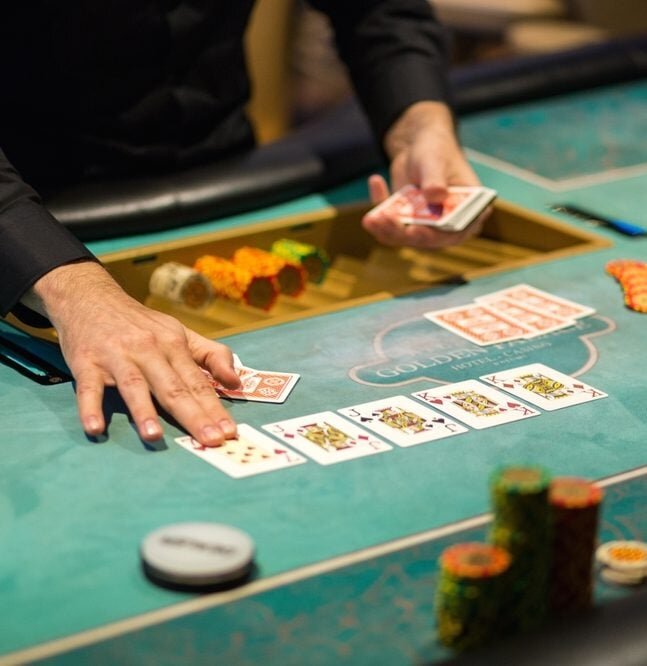
Texas Hold'em remains the most popular variant, offering a balance of strategy and chance. Players receive two private cards and share five community cards. This format emphasizes position and hand selection, making it ideal for those who enjoy long-term planning.
Omaha shares similarities with Hold'em but requires players to use exactly four cards, two from their hand and two from the board. This rule increases complexity and raises the value of strong starting hands. Players who prefer dynamic action and high-stakes decisions often favor Omaha.
Seven-Card Stud differs significantly by dealing all cards face-up or face-down. Each player receives seven cards, with betting rounds after specific cards are revealed. This variant tests memory and observation, appealing to players who enjoy detailed analysis and reading opponents.
Each variant demands different strategies. Hold'em rewards patience and position play, while Omaha requires precise hand evaluation. Stud demands strong memory and adaptability. Players should experiment with formats to determine which suits their style.
Player preferences vary based on experience and goals. Newcomers often start with Hold'em due to its structured rules. Experienced players may explore Omaha or Stud for greater challenge. Choosing the right variant enhances enjoyment and improves long-term performance.

Understanding the rules of each variant is crucial. Hold'em’s community cards allow for more bluffing opportunities, while Stud’s exposed cards reduce deception. Omaha’s strict hand requirements limit the number of playable hands, requiring careful selection.
Strategies must adapt to each format. In Hold'em, controlling the pot and reading opponents are key. In Omaha, focusing on hand strength and potential is essential. In Stud, tracking exposed cards and adjusting betting patterns improves decision-making.
Players should analyze their strengths and weaknesses before selecting a variant. Those who excel in observation and memory may thrive in Stud. Those who enjoy quick decisions and aggressive play may prefer Omaha. Finding the right fit increases confidence and success.